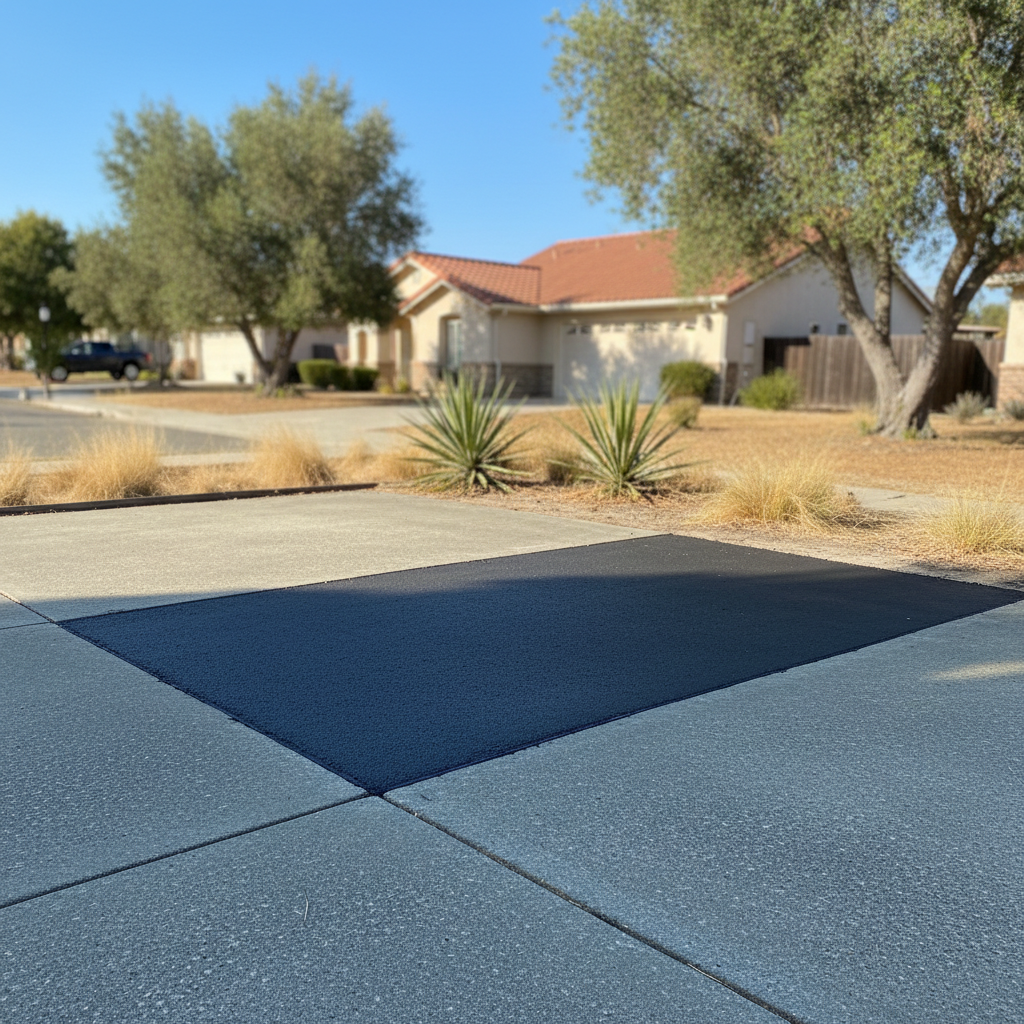
Got a pothole? Or maybe a crack that just keeps growing? It's probably time to patch your asphalt, right? Sounds easy enough, but I've seen plenty of Tracy homeowners make some pretty common blunders. These usually end up costing them more time, money, and headaches than if they'd just gotten it done right the first time. Let's talk about what to watch out for.
Mistake #1: Waiting Too Long to Patch
This is probably the biggest one, honestly. You spot a small crack and think, 'Eh, I'll get to it next month.' But next month rolls into next season, and suddenly that little crack has turned into a spiderweb of damage. Or, even worse, a full-blown pothole. Water seeps in there, especially with our hot Tracy summers followed by cooler, sometimes wetter winters. That constant expansion and contraction just tears your pavement apart. A small patch? That's cheap and quick. A big, ignored area? Oh, that's a much larger project, sometimes needing a full-depth repair or even a whole section replaced. Don't put it off; your driveway won't forgive you.
Mistake #2: Going for the Cheapest Bid Without Asking Questions
Look, I get it. We all want to save a buck. But when it comes to asphalt work, the cheapest bid is almost never the best one. You're not buying something off a shelf; you're paying for a service and a quality product. Some contractors will cut corners to give you that low price. They might use crummy materials, skimp on the prep work, or just not have the right gear for the job. You'll end up with a patch that fails quickly, sometimes in just a few months. Ask them what kind of asphalt they're using. How thick will the patch be? What's their process for cleaning and getting the area ready? If they can't give you straight answers, or if their answers sound too good to be true, they probably are.
Mistake #3: Not Understanding the Root Cause of the Damage
A patch is just a band-aid if you don't fix what caused the damage in the first place. Is it poor drainage? Is the sub-base giving out? Is there a tree root pushing up? For instance, in some of Tracy's older neighborhoods, especially those built on expansive clay soils, you can see a lot of ground movement if the grading isn't done right. If you just patch over a problem caused by water pooling or a weak foundation, that new patch is going to fail in the exact same spot. A good contractor, like us at Alpha Asphalt Tracy, will check out the area and try to figure out *why* the damage happened, not just cover it up.
Mistake #4: Thinking All Patches Are Created Equal
There are different ways to patch, and not every one works for every situation. You've got cold patch, which is really just a temporary fix for small potholes. Then there's hot mix asphalt patching, which lasts a lot longer. For bigger, deeper areas, you might need a cut-and-patch method. That's where they cut out the bad section, prepare the sub-base, and then lay down new hot asphalt. Some folks try to DIY with cold patch on large areas, and it just doesn't hold up. You need the right material and the right technique for a repair that actually lasts.
Mistake #5: Not Checking References or Licensing
This one's a classic red flag, isn't it? You get a guy in a beat-up truck knocking on your door, offering a deal that's "only good today." He wants cash, no contract, no license number. Run. Seriously, just run. Always check that a contractor is licensed and insured. Ask for references and actually call them. A reputable company won't have any problem giving you this info. You're letting someone work on your property; you need to know they're legitimate and that you're protected if something goes wrong.
Mistake #6: Ignoring Proper Site Preparation
A good patch starts with good prep. That means cleaning out the area thoroughly — no loose debris, dirt, or standing water. The edges need to be clean and stable. If they just dump asphalt into a dirty, crumbling hole, it won't bond correctly. It'll just pop out or crumble around the edges before you know it. Make sure your contractor explains their prep process. It's super important for how long the patch will last.
So, before you jump into patching that asphalt, take a breath. Do your homework, ask the right questions, and don't settle for the cheapest or fastest option if it means sacrificing quality. You want a repair that lasts, not one you'll be redoing next year.